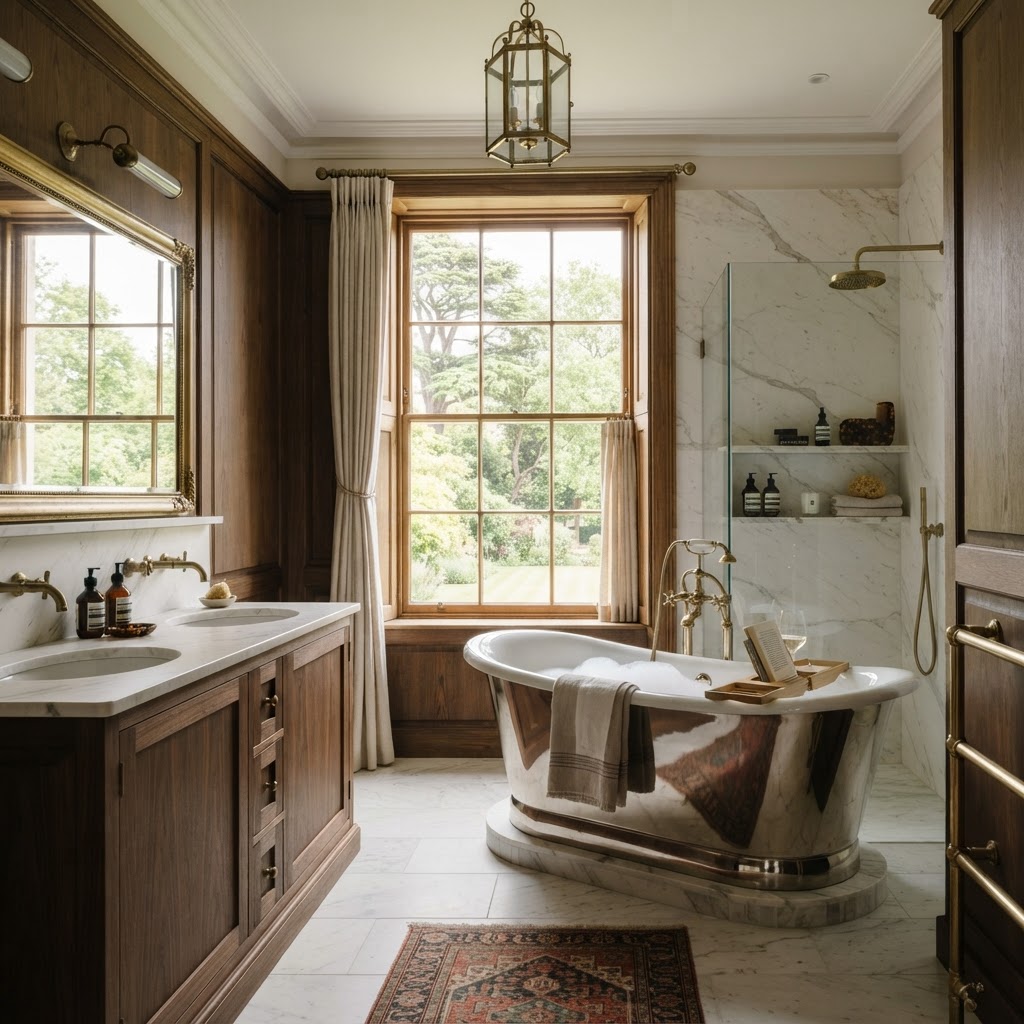
The Challenge of the Windowless Bathroom
Designing a beautiful bathroom is an exciting endeavour, but when that space lacks natural light and a window to the outside world, it presents a unique set of challenges. A windowless bathroom can quickly become a trap for steam, heat, and humidity. Without a breeze to carry the moisture away, condensation settles on your pristine mirrors, sleek tiles, and painted ceilings. Over time, this trapped moisture can lead to unsightly mould, peeling paint, and a lingering damp odour that completely ruins the spa-like atmosphere you have worked so hard to create.
At Dajon Interiors, we believe that every bathroom, regardless of its architectural limitations, should feel like a luxurious sanctuary. As a premier kitchen/bathroom/bedroom showroom Gloucestershire residents trust, we have transformed countless windowless spaces into breathtaking, airy retreats. In this comprehensive guide, we will explore exactly how to ventilate a bathroom without a window, ensuring your space remains fresh, dry, and impeccably maintained for years to come.
Why Proper Ventilation is Non-Negotiable
Before diving into the solutions, it is crucial to understand why ventilation is so vital. When you take a hot shower or bath, the air fills with water vapour. In a room with a window, simply opening the glass allows this moisture to escape. In a windowless room, that moisture has nowhere to go. According to industry experts, inadequate ventilation causes condensation that can lead to potentially dangerous mould and structural damage (How to ventilate a bathroom without windows).
Proper ventilation achieves three essential goals:
- Moisture Control: It extracts damp air before it can settle on surfaces, preventing the growth of black mould and mildew.
- Odour Elimination: It removes stale air and unpleasant smells, keeping the room smelling fresh and inviting.
- Protecting Your Investment: High humidity can warp wooden vanity units, rust metal fixtures, and degrade grout. Good airflow protects the high-end finishes in your luxury bathroom.
The Best Ways to Ventilate a Bathroom Without a Window
1. Invest in a High-Performance Extractor Fan
The single most effective way to ventilate a windowless bathroom is by installing a high-quality, powerful extractor fan. This is not an area where you should compromise. A premium extractor fan will actively pull moisture-laden air out of the room and expel it outside through ducting. When selecting a fan, look for one with a high extraction rate (measured in cubic metres per hour or litres per second) suitable for the volume of your room.
Modern luxury fans are incredibly quiet, meaning your relaxing soak won't be ruined by the roar of a motor. Many top-tier models also feature built-in humidity sensors (hygrostats) that automatically turn the fan on when moisture levels rise and switch off only when the room is completely dry. For the best results, the fan should be positioned as close to the shower or bath as possible, ideally mounted high on the wall or ceiling.
2. Leave the Door Open and Maximise Passive Airflow
While mechanical ventilation is essential, you can support it with passive airflow. Whenever the bathroom is not in use, leave the door wide open. This allows the drier air from the rest of your home to circulate into the bathroom, helping to evaporate any residual moisture. Additionally, ensure there is a sufficient gap (around 10mm to 15mm) at the bottom of your bathroom door. This undercut allows fresh air to be drawn into the room even when the door is closed, which is vital for your extractor fan to work efficiently—it cannot extract air if there is no replacement air coming in.
3. Utilise a Dehumidifier
If you are dealing with a particularly stubborn damp issue, or if you are waiting for a bathroom renovation to install a better fan, a dehumidifier is an excellent supplementary tool. Dehumidifiers tackle moisture directly by drawing excess water from the air (How to Ventilate a Bathroom Without Windows). While a portable unit might not fit the aesthetic of a luxury space permanently, running a sleek, modern dehumidifier for an hour after your shower can drastically reduce humidity levels and protect your walls and cabinetry.
4. Wipe Down Surfaces After Use
Prevention is just as important as extraction. One of the simplest yet most effective habits you can adopt is wiping down wet surfaces after a shower. Keep a stylish silicone squeegee in the shower enclosure and quickly run it over the glass screens and tiled walls. Follow up by wiping the brassware and vanity surfaces with a microfibre cloth. By manually removing the standing water, you significantly reduce the amount of moisture that needs to evaporate into the air, easing the burden on your ventilation system.
5. Incorporate Underfloor Heating
Underfloor heating is a hallmark of luxury bathroom design, but it also plays a surprising role in ventilation and moisture control. By gently warming the floor, it accelerates the evaporation of water droplets that have splashed onto the tiles. This ambient heat helps to dry the room out much faster than a standard radiator would, preventing dampness from lingering in the corners of the room.
The Dajon Interiors Expert Insight: Seamlessly Integrating Ventilation
At Dajon Interiors, we understand that our clients want high-performance functionality without compromising on aesthetics. A common concern we hear during design consultations is that extractor fans are ugly and disruptive to a beautiful design scheme. Our approach to high-end interiors Gloucestershire is to make the functional elements virtually invisible.
We specialise in specifying inline extraction systems. Unlike traditional wall-mounted fans, an inline fan houses the motor in the loft or ceiling void, meaning the only visible element in the bathroom is a sleek, flush-mounted grille. These grilles can be colour-matched to your ceiling or even integrated with a stylish LED spotlight. This ensures that your bespoke bathroom remains a visually uninterrupted sanctuary, while still benefiting from powerful, whisper-quiet ventilation.
Serving Gloucestershire with Unrivalled Expertise
Whether you reside in a modern townhouse in Gloucester, a period property in Stroud, or a sprawling country estate in the Cotswolds, dealing with windowless bathrooms is a common architectural quirk. At Dajon Interiors, we have decades of experience navigating the unique plumbing and ventilation challenges presented by properties across the region.
If you are searching for bespoke bathrooms Cotswolds or looking to upgrade your entire home with luxury kitchens Cheltenham, our expert design team is here to help. We don't just supply beautiful fixtures; we engineer complete spaces that function flawlessly. From ensuring the correct ducting routes for your ventilation to selecting moisture-resistant luxury furniture, we handle every technical detail so you don't have to.
Transform Your Space with Dajon Interiors
A windowless bathroom should never feel like a compromise. With the right design expertise, premium ventilation technology, and a touch of luxury styling, it can become the most relaxing room in your home. If you are struggling with damp, mould, or simply an outdated bathroom that lacks airflow, it is time to speak to the experts.
We invite you to visit our stunning showroom to explore our extensive range of luxury bathroom settings, bespoke bedrooms, and cutting-edge kitchen designs. Our friendly, knowledgeable team will be delighted to discuss your specific challenges and demonstrate the latest in discreet, high-performance ventilation systems.
Book Your Free Design Consultation Today
Ready to breathe new life into your home? Don't let a lack of windows limit your design dreams. Contact Dajon Interiors today to book your FREE, no-obligation design consultation or home survey. Let us show you why we are the premier destination for luxury interiors in Gloucestershire. Call us or visit our showroom to start your journey toward a beautifully designed, perfectly ventilated sanctuary.